Hidden American Gem Cities for Slow Travel Lovers
Slow travel isn’t about ticking landmarks off a list; it’s about slipping into the daily rhythm of a place, getting to know neighborhoods, baristas, bus drivers, and local quirks. In the U.S., that’s often easier—and far more rewarding—outside the famous hubs. These lesser-known cities offer walkable cores, strong local scenes, and enough depth to keep you engaged for weeks.
Below are hidden (or at least underappreciated) American cities that are ideal for slow travel, plus what makes each one special if you’re there not for three days, but for three weeks.
1. Boise, Idaho – High Desert Calm with a Strong Local Pulse
Boise offers a rare combination: access to wild landscapes and a compact, friendly downtown that feels more like a large town than a capital city.
Why it works for slow travel
- Walkable, sociable core – Downtown Boise is small enough that after a week you’ll start recognizing faces at cafés, breweries, and the farmers market.
- Nature at your doorstep – The Boise River Greenbelt threads through the city, perfect for daily walks or bike rides. The foothills trail system is minutes away for hiking and trail running.
- Manageable pace – Traffic is relatively light, and the city still has an approachable, low-key feel.
Slow ways to settle in
- Get a used bike and make the Greenbelt your “commute,” riding to different sections each day.
- Spend slow mornings at independent coffee shops (like in the North End or downtown), using them as bases to people-watch and chat with locals.
- Join a local meetup—trail running, climbing, fly-fishing, or book clubs—to tap into Boise’s active community.
Best for: Travelers who want an outdoor lifestyle without sacrificing a decent café and craft beer culture.
2. Greenville, South Carolina – Small City, Big Community Energy
Once an industrial town, Greenville has reinvented itself with a renovated Main Street, a thriving food scene, and an unusually strong sense of community for its size.
Why it works for slow travel
- Highly walkable downtown – Shade trees, public art, and independent shops make wandering a daily pleasure rather than a chore.
- Falls Park on the Reedy – A central urban park with a waterfall and suspension bridge becomes a natural “living room” of the city; you’ll pass through it often and watch it change from early morning to late evening.
- Lively but not overwhelming – Frequent festivals, concerts, and markets keep things interesting without the crowd pressure of bigger cities.
Slow ways to settle in
- Choose a rental within walking distance of Main Street; skip the daily car use.
- Return weekly to the farmers market and follow seasonal produce, talking to the same vendors each visit.
- Pick one local restaurant or bar and become a “regular.” Slow travel is about depth—knowing a few places well rather than many places superficially.
Best for: Food-focused travelers who love a walkable core and community events over big-city nightlife.
3. Burlington, Vermont – Lake, Liberal Vibes, and Local Everything
Burlington is small, progressive, and deeply committed to local food and culture. On paper it’s a college town; in practice, it feels like a compact, creative micro-city.
Why it works for slow travel
- Strong sense of place – Between Lake Champlain, the Adirondacks on the horizon, and the Green Mountains behind you, geography sets the mood.
- Local-first ethos – From farm-to-table restaurants to co-ops and craft breweries, Burlington is built for people who like to know where things come from.
- Seasonal drama – Fall foliage, snowy winters, muddy springs, and perfect summers mean the mood and rhythms of the city shift visibly over time.
Slow ways to settle in
- Walk or bike along the Burlington Bike Path almost daily; watch how locals use it for commuting, exercise, and sunset rituals.
- Join the local food culture—co-op membership, CSA vegetable boxes, neighborhood bakeries.
- Use the city as a base for regional exploration by bus or bike: nearby small towns, farm stands, and lakeside viewpoints.
Best for: Travelers who appreciate progressive politics, local food systems, and four-season living.
4. Chattanooga, Tennessee – Urban Outdoors Laboratory
Chattanooga turned itself from a polluted industrial center into one of America’s most livable small cities, especially if you like being outside.
Why it works for slow travel
- Blend of city and nature – Downtown sits right on the Tennessee River, and hiking, climbing, and paddling options are minutes away.
- Revived riverfront – A long, walkable riverwalk, pedestrian bridges, and public art encourage aimless roaming.
- Compact, distinct neighborhoods – Areas like North Shore, Southside, and St. Elmo each have their own personality; exploring them slowly feels like getting to know different villages.
Slow ways to settle in
- Stay near the river and orient your days around it—morning runs on the riverwalk, late-day strolls across the pedestrian bridge.
- Join climbing sessions, outdoor clubs, or community yoga—Chattanooga’s outdoor culture is one of the easiest entry points for meeting locals.
- Schedule repeated visits to the same neighborhood markets and coffee shops instead of constantly seeking new ones.
Best for: Active travelers who want daily access to nature but prefer sleeping in a real city, not a mountain town.
5. Spokane, Washington – Inland Northwest Without the Crowds
Spokane often gets overshadowed by Seattle and Portland, but for slow travel it’s a compelling alternative: lower costs, fewer tourists, and serious natural beauty.
Why it works for slow travel
- Underrated downtown – Revitalized historic buildings, independent businesses, and a growing arts scene offer plenty to explore over weeks.
- River at the center – Spokane Falls roar right through downtown, with a large park system spiraling outward.
- Gateway to the region – Lakes, forests, and small towns in both Washington and Idaho are easy day trips without big-city congestion.
Slow ways to settle in
- Make Riverfront Park your anchor, visiting at different times of day to watch it shift from commuter corridor to evening hangout.
- Explore neighborhoods like Browne’s Addition, Garland District, and South Hill in detail—walk every side street, not just the main drags.
- Attend small-scale events: local theater productions, gallery openings, open mics, and community lectures.
Best for: Travelers who want an authentic, less-curated experience of the Pacific Northwest and don’t mind weather mood swings.
6. Providence, Rhode Island – Creative Density in a Compact Package
Providence is artistic, slightly eccentric, and dense enough that you can really know it if you stay awhile.
Why it works for slow travel
- Human scale – Many of the most interesting neighborhoods (Downtown, Federal Hill, Fox Point, College Hill) are reachable on foot or by quick bus rides.
- Art and academia – With several universities and design schools, there’s a constant churn of exhibitions, performances, and experiments.
- Close to everything, but calmer than Boston – Regional trains make side trips easy, while Providence itself remains more relaxed and affordable.
Slow ways to settle in
- Walk College Hill and surrounding areas repeatedly; each pass reveals new details—architectural oddities, small bookstores, hidden cafés.
- Follow the local arts calendar instead of ticking off “must-see” sights: gallery nights, student shows, small theaters.
- Use the city’s Italian-American roots on Federal Hill as a culinary anchor, revisiting favorite bakeries and delis.
Best for: Culture and food lovers who prefer layered, slightly gritty charm over polished big-city gloss.
7. Madison, Wisconsin – Lakes, Bikes, and Livable Streets
Built on an isthmus between two lakes, Madison feels unusually coherent and navigable, with an emphasis on public spaces and bike infrastructure.
Why it works for slow travel
- Bikeable city – Extensive bike paths and lanes make cycling a realistic default mode of transport.
- Public life around the Capitol and lakes – Markets, protests, concerts, and casual hangouts cluster in shared civic spaces.
- Healthy, outdoorsy culture – Even in winter, locals find ways to be outside—ice fishing, skating, cross-country skiing.
Slow ways to settle in
- Get a bike early and explore the city in expanding loops, adding new neighborhoods each day.
- Make the Saturday farmers market (around the Capitol) a weekly ritual, observing how seasonal produce changes and familiar faces reappear.
- Join public lectures or events at the university; they’re one of the richest slow-travel resources in Madison.
Best for: Travelers who like bike-centric living, public spaces, and collegiate energy.
8. Albuquerque, New Mexico – Sun, Space, and Deep Cultural Layers
Albuquerque is often skipped in favor of Santa Fe or Taos, but for slow travelers it can be the more compelling choice: less curated, more lived-in, and culturally complex.
Why it works for slow travel
- Distinct regional identity – Native American, Hispanic, and Anglo influences overlap in food, architecture, and daily rituals.
- Strong sense of time and light – High desert skies, big sunsets, and stark seasonal shifts create a clear rhythm.
- Neighborhood character – The city feels different from district to district—Nob Hill, Old Town, Downtown, and the North Valley each reward deep dives.
Slow ways to settle in
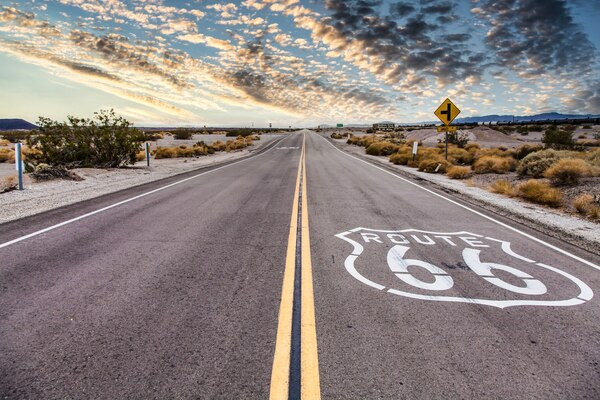
- Walk or slowly drive Route 66 (Central Avenue) in segments, getting to know it in pieces rather than all at once.
- Return to the same family-run restaurants and markets; long conversations here can teach you more than any guidebook.
- Use the Sandia Mountains as a weekly reset—hikes, tram rides, or simply watching their color change at sunset.
Best for: Travelers interested in history, indigenous cultures, and desert landscapes who don’t need a polished tourist veneer.
9. Grand Rapids, Michigan – Craft, Community, and Riverfront Revival
Grand Rapids has quietly become a Midwestern cultural hub, particularly known for its beer and art, without losing its unpretentious feel.
Why it works for slow travel
- Manageable size, real depth – You can get a geographic handle on the city quickly, then deepen your understanding through its arts and neighborhood scenes.
- Art and design focus – Events like ArtPrize and a network of small galleries and studios keep creativity at street level.
- River-centered development – The Grand River and surrounding trails serve as natural frameworks for exploring.
Slow ways to settle in
- Choose one or two neighborhoods—like Eastown or Heritage Hill—to treat as “home,” exploring every café, side street, and park there.
- Follow the brewing scene slowly instead of hopping through a dozen places in a weekend; become a semi-regular at one or two taprooms.
- Volunteer at a local event or community project if possible; Grand Rapids has a strong civic-minded streak.
Best for: Travelers who enjoy craft beer, design, and mid-sized cities with a steady but not frenetic cultural calendar.
10. Fayetteville, Arkansas – Ozark Basecamp with a Progressive Streak
Tucked into the Ozark Mountains, Fayetteville pairs university-town energy with quick access to forests, rivers, and trails.
Why it works for slow travel
- College-town openness – An influx of students and faculty from elsewhere keeps the city outward-looking and relatively progressive.
- Nature very close by – Hiking, mountain biking, and scenic drives are within a short radius; ideal for establishing weekly outdoor rituals.
- Regional culture – You’re in the South, but in a hill-country variation with its own music, food, and traditions.
Slow ways to settle in
- Use the downtown square and nearby streets as your primary walking zone; watch how the rhythm changes between semesters and breaks.
- Attend local music nights, especially those featuring regional genres, to get a feel for Ozark traditions.
- Explore the growing network of regional trails at a leisurely pace, repeating favorite routes rather than constantly seeking new ones.
Best for: Travelers who want a softer, nature-surrounded entry point into Southern and Ozark culture.
How to Practice Slow Travel in These Cities
Regardless of which city you choose, the slow-travel approach has a few consistent principles:
- Stay longer in one place
Trade three cities in nine days for one city in nine days. Depth beats breadth.
- Live like a temporary local
- Rent an apartment in a residential neighborhood.
- Shop at the same grocery store, use the same bus line, walk the same park loop repeatedly.
- Establish rituals
A weekly farmers market, a specific coffee shop, a favorite bench by the river—routine creates connection and lets you notice subtle shifts.
- Use your feet (or a bike) as much as possible
Moving slowly through streets reveals details you never see from a car: small murals, community noticeboards, backyard gardens, overheard conversations.
- Engage, don’t just observe
Join local clubs, classes, or volunteer sessions. Slow travel is as much about people as it is about place.
Choosing Your Hidden Gem
When picking a slow-travel base, think less about “top attractions” and more about questions like:
- Can I live car-light here?
- Are there public spaces I’d enjoy returning to daily?
- Does the city have a strong local identity—food, festivals, dialect, or history—to sink into?
- Is there a community I can plug into (outdoors, arts, activism, academia)?
Boise, Greenville, Burlington, Chattanooga, Spokane, Providence, Madison, Albuquerque, Grand Rapids, and Fayetteville all answer “yes” to these questions in different ways. None are entirely undiscovered, but all remain under the radar compared with the usual big-name destinations.
For slow travel lovers, that’s precisely the point: enough infrastructure to live comfortably, enough culture to stay curious, and enough quiet to actually hear the heartbeat of the place you’ve come to know.